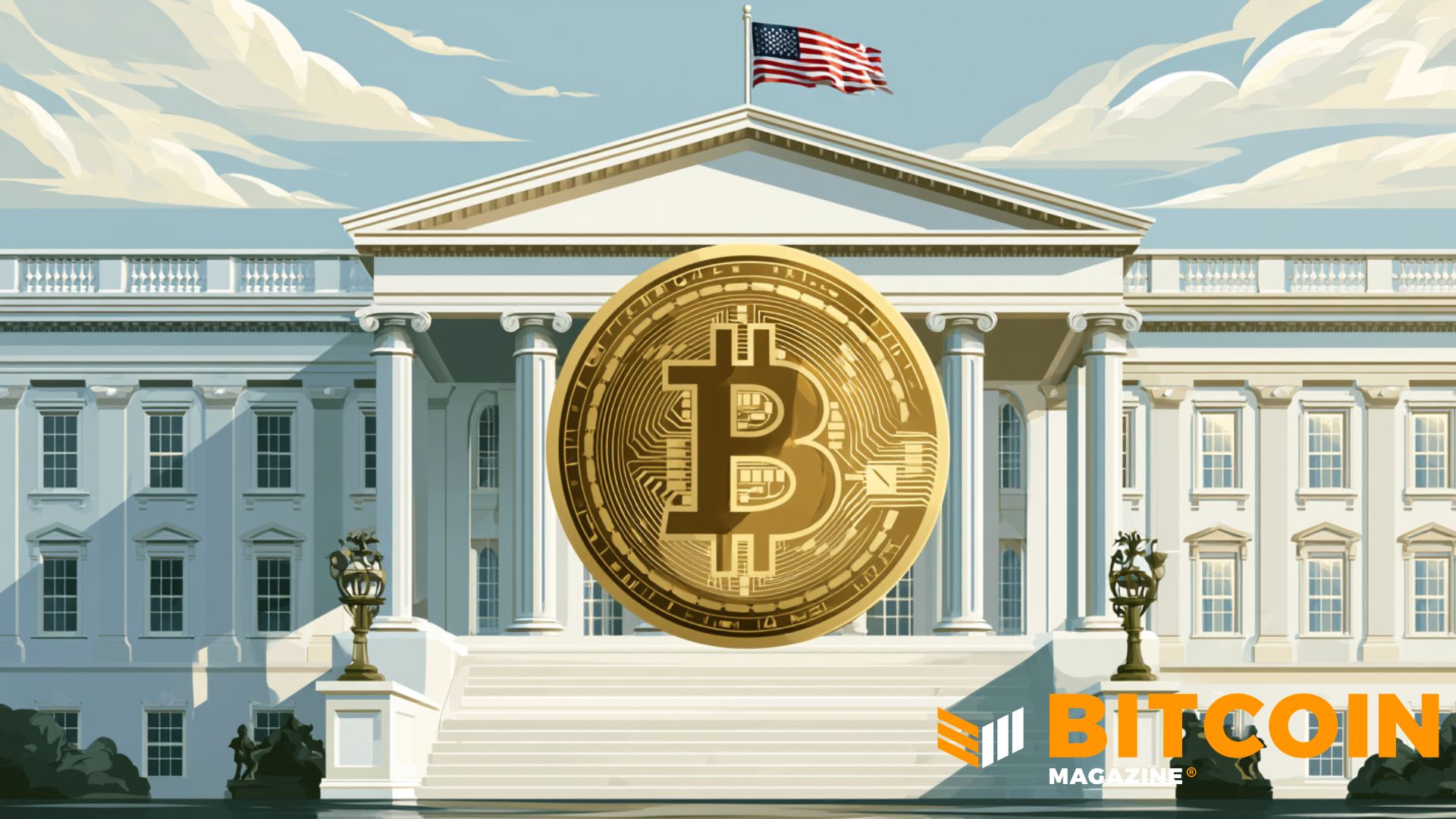
Treasury Secretary Scott Bessent announced the Trump administration's commitment to establishing a Strategic Bitcoin Reserve during testimony before the Senate Finance Committee. Bessent urged legislators to pass the BITCOIN Act and the Clarity Act to formalize and expand the initiative.
The Strategic Bitcoin Reserve represents a major policy shift toward treating Bitcoin as a national asset rather than a speculative commodity. The reserve would position the United States government as a long-term holder of Bitcoin, similar to how nations maintain gold reserves. This approach aligns with proposals that gained traction during Trump's 2024 campaign.
The BITCOIN Act would authorize the federal government to accumulate and hold Bitcoin reserves over a defined period. The Clarity Act seeks to establish clear regulatory frameworks around cryptocurrency, addressing ambiguity that has plagued the sector under previous administrations. Passage of both bills would remove institutional barriers to government Bitcoin adoption and provide the legal foundation for systematic accumulation.
Bessent's testimony signals accelerating momentum for pro-Bitcoin policy at the executive and legislative levels. The move reflects growing recognition that Bitcoin functions as a hedge against currency devaluation and serves strategic national interests. El Salvador's adoption of Bitcoin as legal tender provided a proof-of-concept for government reserves, though the U.S. reserve would operate at a vastly larger scale.
Bitcoin's price action has reflected institutional tailwinds. The asset has benefited from BlackRock's iShares Bitcoin ETF inflows and the broader narrative of government accumulation. With Treasury backing and Senate attention, the Strategic Bitcoin Reserve could transform Bitcoin from a fringe asset into core U.S. fiscal policy.
The Clarity Act specifically addresses the regulatory maze created by competing agency jurisdictions. Clear definitions of Bitcoin's status and proper oversight frameworks would unlock institutional capital that currently sits on the sidelines due to compliance uncertainty.
Legislative passage remains uncertain, as the bills require broad congressional support. However, Bessent's public advocacy signals the administration's determination to advance this agenda. Implementation could establish precedent for other nations to follow and fundamentally reshape Bitcoin's role in global monetary systems.