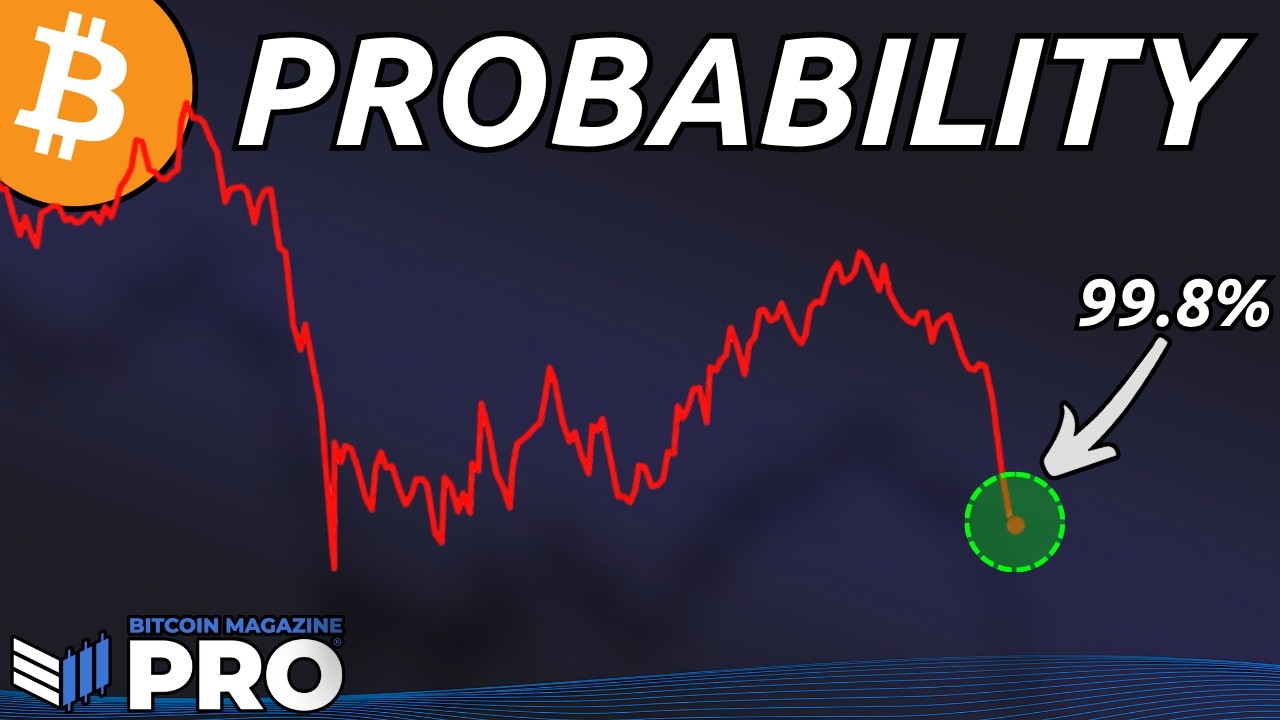
Bitcoin trades under pressure, but on-chain metrics signal a potential accumulation opportunity. Five distinct data points converge to suggest current price levels rank among the worst in Bitcoin's history, creating what one analyst calls a 99.8% probability buy signal.
The analysis compares present market conditions to prior capitulation events. Bitcoin has experienced only four worse periods in its trading history. Each previous instance preceded substantial recoveries. When long-term holders capitulate simultaneously with exchange inflows and realized loss momentum, bottoms typically form.
Current on-chain data mirrors the pattern. Realized losses have spiked as holders dump positions at steep discounts. Exchange inflows increased recently, signaling forced liquidations rather than organic selling pressure. The combination triggers capitulation signals that activate only during truly exceptional drawdowns.
Historical precedent supports the bullish thesis. Bitcoin's prior four worst price action events all preceded multi-month rallies. The 2011 Mt. Gox collapse, the 2014 bear market bottom, the 2018 capitulation, and the 2020 March flash crash all followed this pattern. Each generated 2x to 5x returns within months after the capitulation completed.
Fear gauge metrics hit extremes rarely seen outside genuine panic periods. The Crypto Fear and Greed Index dropped to levels matching only the most severe selloffs. Network activity from whales and large holders concentrated buying near current levels, suggesting informed participants view pricing as attractive.
The analyst's 99.8% probability framework weighs multiple variables. Weighted realized price sits well above current spot price, indicating holders capitulated at severe losses. Miner selling has stabilized after weeks of forced liquidations. Stablecoin outflows from exchanges reversed, suggesting dry powder repositioning ahead of potential upside.
Risk remains that additional macro headwinds could push prices lower. However, the convergence of capitulation signals, historical precedent, and whale accumulation creates asymmetric risk-reward dynamics. Current market structure resembles conditions that generated some of Bitcoin's strongest gains post-capitulation.