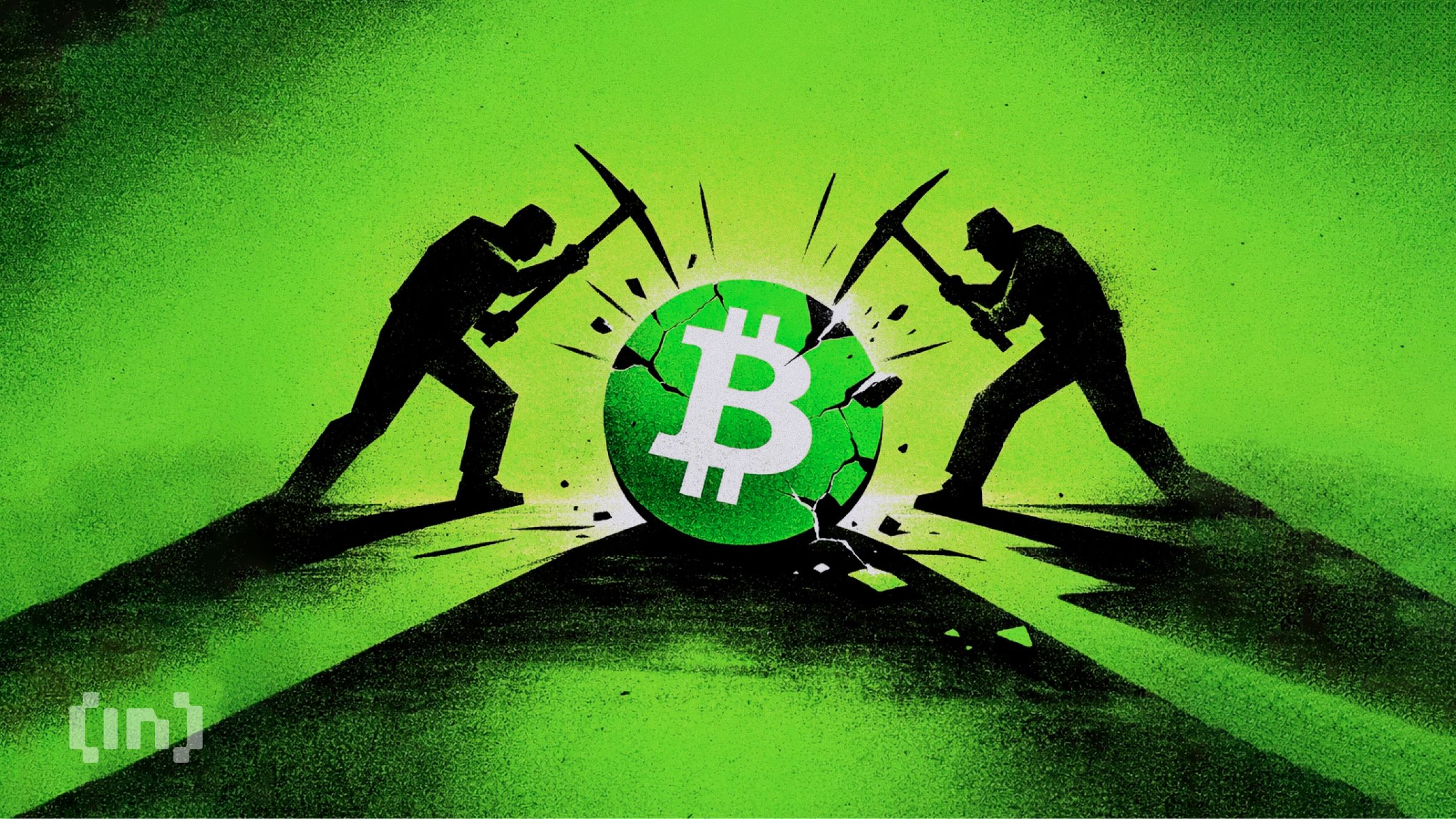
Bitcoin's mining difficulty plummeted 10.09% at block 953,568, marking the second-largest downward adjustment of 2026. The metric fell from 138.9 trillion to 124.9 trillion, representing the 11th-biggest difficulty decline in Bitcoin's entire history, per Galaxy Research data.
The sharp drop tied directly to Bitcoin's price collapse in June. When BTC sells off hard, miners face razor-thin margins or outright losses. Older, less efficient machines go offline first. Difficulty adjusts downward every 2,016 blocks (roughly two weeks) based on total network hashrate. Fewer miners online means lower hashrate means easier mining until the next adjustment cycle.
This difficulty pattern carries real implications for mining economics. Lower difficulty temporarily benefits remaining miners with better hardware, as they're solving blocks against less competition. However, this relief is typically fleeting. If Bitcoin's price recovers, new miners spin up rigs, hashrate climbs again, and difficulty bounces back upward within weeks. The current environment suggests miner capitulation, not a structural shift in mining's profitability landscape.
Galaxy Research's historical comparison adds context. An 11th-ranked decline in Bitcoin's entire history signals material miner stress. The only larger 2026 drops would have occurred earlier in the year, likely during earlier price weakness. This pattern reflects the broader bear pressure on Bitcoin throughout mid-2026.
Network fundamentals matter here. Hashrate tracks closely with BTC price because mining remains a leveraged bet on Bitcoin's future value. Miners borrow capital to buy equipment, expecting price gains to cover electricity costs plus return on hardware investment. Price drops below production costs trigger capitulation cycles where unprofitable operations shut down.
The timing matters too. June volatility typically correlates with macro market stress or regulatory headlines rather than Bitcoin-specific fundamentals. Without knowing the exact trigger for June's slide, the difficulty drop reflects rational behavior. Miners cut losses and wait for better conditions.
For the network itself, lower difficulty presents no security risk in the short term. Bitcoin's 10-minute block time target remains intact. Blocks still arrive roughly every ten minutes, and transaction throughput holds steady. The difficulty adjustment mechanism functions as designed, ensuring the network remains responsive to hashrate changes.
Miners holding quality hardware should watch price action closely. If BTC rebounds, difficulty will climb again and margin compression will return. The current environment rewards operational excellence and capital discipline more than ever.