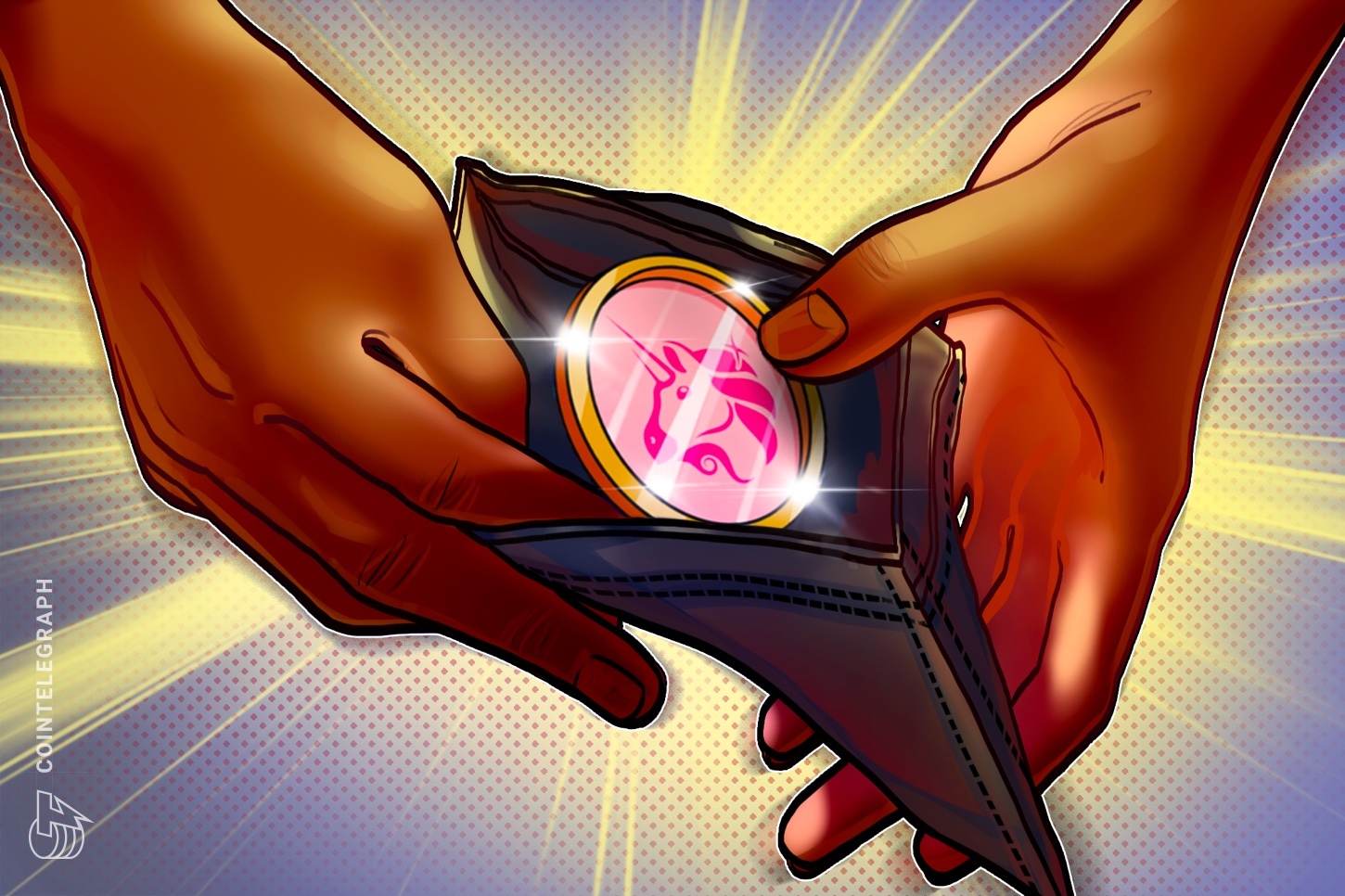
Hayden Adams, Uniswap founder, pushed back against criticism that the protocol's v4 fee structure cuts into liquidity provider earnings. Critics argued the newly approved update introduces protocol-level fees that would erode LP returns, but Adams contended detractors misread the mechanism.
The dispute centers on how Uniswap v4 implements its fee design. The protocol enables pool creators to set custom fee tiers and hook systems that allow builders to capture additional value. Some analysts claimed this architecture lets the protocol or pool operators skim revenue that would otherwise flow to LPs, effectively reducing their yields.
Adams rejected this framing outright. He argued that LPs retain full control over fee parameters and that the v4 structure actually expands earning opportunities rather than constraining them. The customizable nature of v4 pools lets LPs optimize for their specific strategies and risk profiles, he said.
The disagreement reflects broader tension within decentralized finance over protocol economics. As DEX volumes flatten and competition intensifies, exchanges explore revenue models beyond trading volumes. Uniswap's governance token holders approved v4 in April 2024, but implementation nuances around fee distribution remain contested.
The current debate matters because LPs represent Uniswap's core user base. If perceived fee pressure drives them to competitors like Curve or Balancer, Uniswap's total value locked could suffer. The protocol currently dominates spot trading with roughly 50 percent market share among decentralized exchanges, but margin has narrowed as Solana-based alternatives and specialized chains fragment liquidity.
Uniswap's v4 launch remains incomplete. Adams' defense suggests the foundation expects ongoing pushback as development teams and LPs test actual fee mechanics in production. How the market interprets those mechanics when v4 fully launches will determine whether critics' concerns hold water or whether Adams' optimism about expanded LP optionality proves correct.