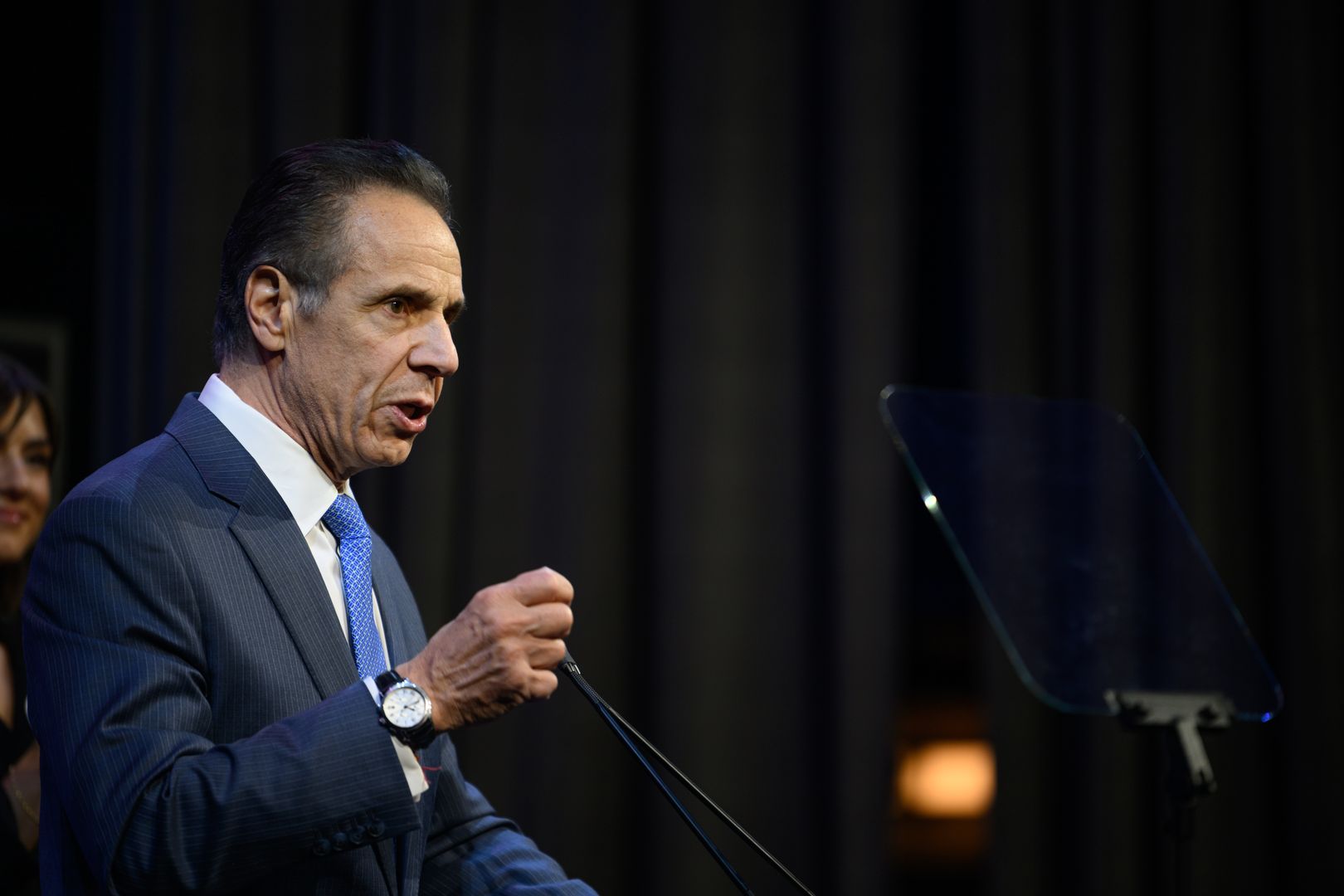
Andrew Cuomo, former New York governor, issued a stark warning that the United States risks losing competitive advantage in digital assets if it fails to enact clear regulatory frameworks. Speaking on the need for crypto legislation, Cuomo emphasized that the CLARITY Act represents a critical step toward integrating cryptocurrency and traditional financial markets.
The CLARITY Act, which stands for Crypto and Blockchain Innovation and Regulatory Improvement Act, aims to establish a unified regulatory structure for digital assets across federal agencies. Cuomo's intervention signals growing pressure from political figures to accelerate crypto rulemaking before competitors like the European Union cement their regulatory positions through frameworks like MiCA.
Cuomo's position reflects a broader shift among policymakers who view crypto regulation not as a threat to Wall Street but as essential infrastructure for U.S. financial dominance. The act would clarify jurisdictional boundaries between the SEC, CFTC, and FinCEN, reducing regulatory overlap that has stalled institutional adoption and innovation.
Current market conditions underscore the urgency. Bitcoin trades near $99,000 as institutional investors wait for regulatory clarity before deploying capital at scale. Spot Bitcoin ETFs, approved last January, have accumulated over $60 billion in assets, demonstrating institutional appetite once regulatory barriers lower. Ethereum and other major assets similarly benefit from clearer rules that enable derivative products and institutional custody solutions.
The CLARITY Act specifically addresses stablecoins, decentralized finance protocols, and custody arrangements that traditional finance requires. Without it, Cuomo warned, American crypto infrastructure development will migrate to jurisdictions with established frameworks, costing the U.S. talent, tax revenue, and market leadership.
Cuomo's statement arrives as Republicans gain control of Congress, creating a potential window for bipartisan crypto legislation that the previous Democratic majority blocked. Industry participants view his comments as validation that moderate political voices recognize crypto as settled technology requiring governed innovation rather than suppression.