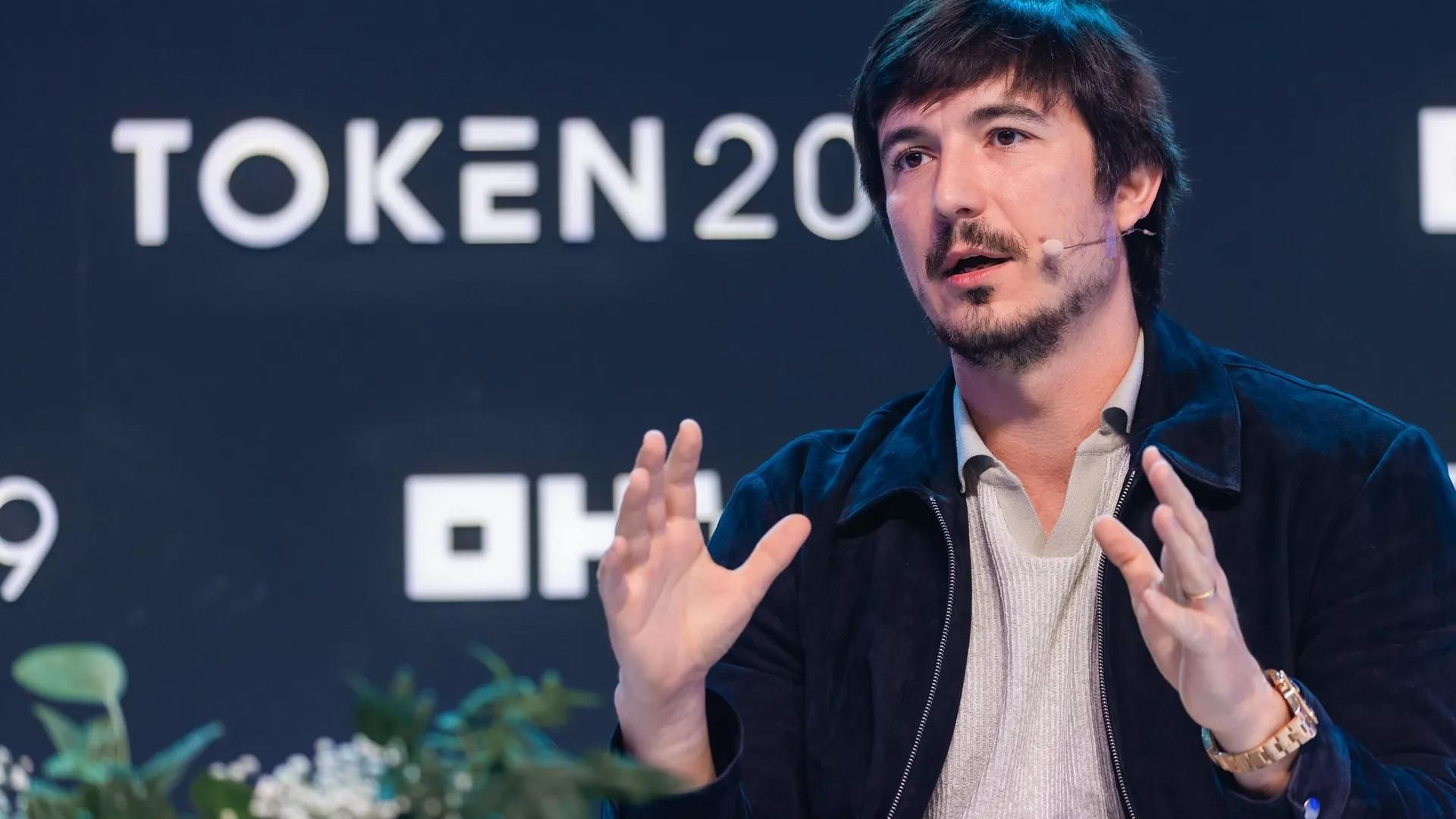
Robinhood CEO Vlad Tenev is pushing U.S. regulators to clear the way for tokenized stocks, arguing that blockchain-based equity trading offers tangible benefits the country cannot ignore as international competitors move ahead.
Tenev pitched tokenized stocks as a path to real-time settlement and round-the-clock trading, eliminating the T+2 settlement window that has defined U.S. equity markets for decades. The infrastructure exists. The technology works. What's missing is regulatory clarity and political will.
The Robinhood chief framed tokenization as inevitable. International markets are already experimenting with blockchain-based securities. If the U.S. does not adapt, it risks ceding financial innovation leadership and market share to overseas exchanges and platforms willing to embrace the shift.
Regulatory hurdles remain substantial. The SEC has not issued comprehensive guidance on tokenized stocks. Questions linger around custody, market manipulation, custody standards, and how tokenized equities fit within existing securities law. The DTCC, which has explored blockchain settlement infrastructure, moves methodically. Clarity could take years.
Tenev's pitch lands at an inflection point. Major financial institutions including JPMorgan and BlackRock have invested in tokenized asset infrastructure. Singapore and Hong Kong have advanced tokenized securities pilots. Europe is developing frameworks. The U.S. regulatory posture, by contrast, remains cautious and reactive.
Robinhood itself has positioned for this shift. The platform already offers fractional share trading and operates in a regulatory landscape shaped by its brokerage license. A move toward tokenized stocks would align with the company's stated mission to democratize finance, though execution depends entirely on regulatory permission.
Tenev's comments reflect broader industry pressure on Washington. Blockchain advocates argue that regulatory paralysis hands competitive advantage to jurisdictions with more flexible approaches. The tokenized stock market remains nascent globally, but the window for U.S. leadership may not stay open indefinitely.