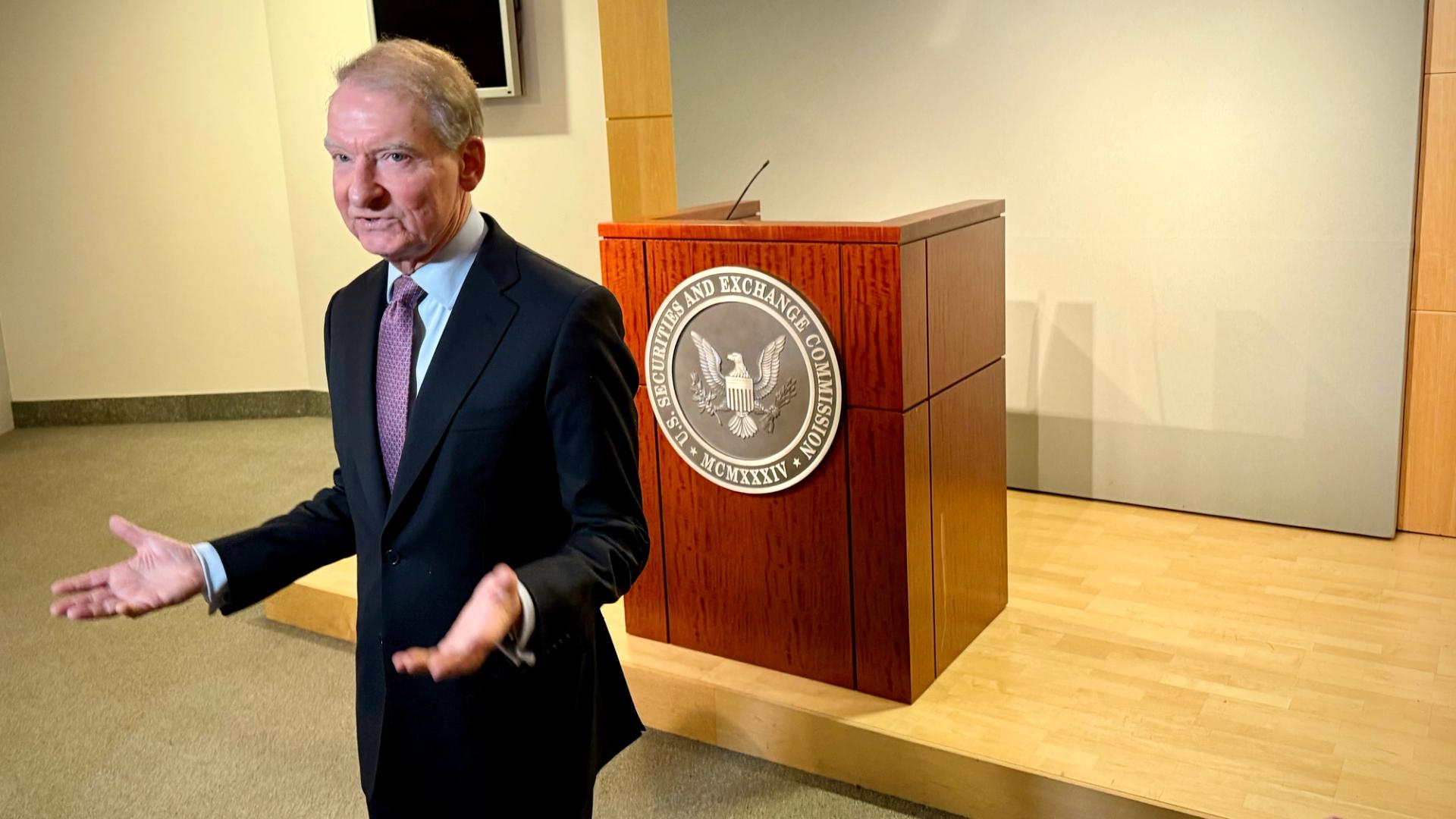
The SEC abruptly announced its first comprehensive crypto regulatory framework, "Regulation Crypto," reversing course after cancelling a scheduled vote days earlier. The surprise move signals the agency's determination to establish clear rules for digital assets under existing securities law rather than waiting for Congress to act.
The proposal establishes baseline standards for crypto exchanges, custodians, and broker-dealers operating in the U.S. market. It requires these entities to register as regulated financial institutions and comply with know-your-customer and anti-money laundering protocols already standard for traditional brokers. The SEC also outlined custody rules for institutional-grade asset protection and conflict-of-interest disclosures for advisors.
The framework specifically addresses staking services and yield-bearing products, classifying certain arrangements as securities sales requiring registration. This creates friction with platforms offering staking rewards, which previously operated in gray-market territory. Crypto exchanges and custodians face 18 months to achieve full compliance.
The sudden announcement after a cancelled vote suggests internal SEC deliberations intensified. The agency likely faced pressure from institutional players like BlackRock and Fidelity, which have pushed for regulatory clarity to legitimize crypto assets. Simultaneously, enforcement actions against exchanges like Kraken and Coinbase telegraphed the SEC's intent to regulate first, legislate later.
Market response remained muted initially, with Bitcoin holding above 42,000 and Ethereum trading near 2,200. Major exchange tokens like FTT and Kraken-adjacent assets saw modest selling on custody compliance concerns.
The proposal triggers a 90-day comment period before final rulemaking. Crypto industry groups have already signalled resistance to staking restrictions and the broad securities classification of tokens. Expect intense lobbying from major players and smaller platforms arguing the rules could push innovation offshore.
This move essentially preempts broader Congressional crypto legislation and solidifies SEC Chair Gary Gensler's regulatory mandate. The agency asserts jurisdiction over staking, lending, and secondary market trading infrastructure without explicit Congressional delegation. Whether courts ultimately uphold these claims remains an open question.