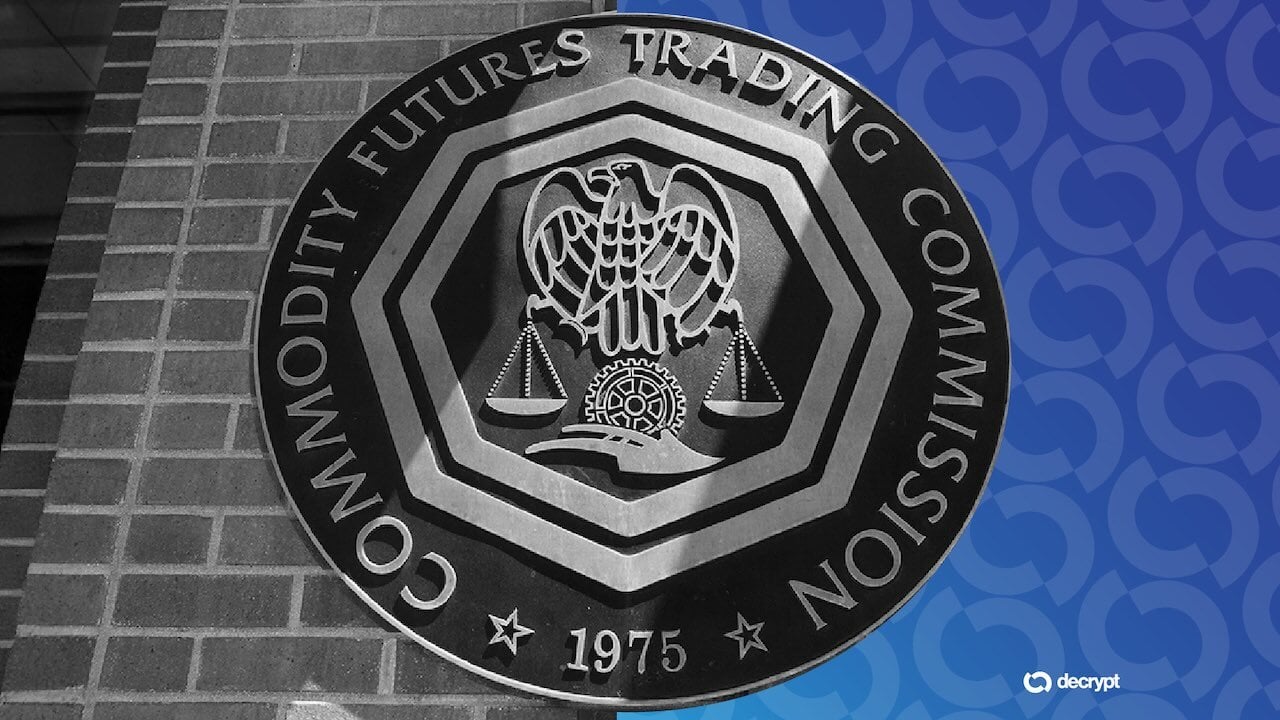
The CFTC issued a no-action letter removing barriers for prediction market operators navigating swap data reporting obligations. The relief targets event contracts, which function as binary outcome derivatives tracking real-world events like elections, weather patterns, or sports results.
Prediction markets have operated in regulatory gray zones for years. The no-action letter clarifies that operators can treat event contracts differently from traditional swaps under CFTC jurisdiction. This distinction matters because standard swap reporting rules impose heavy compliance burdens that smaller platforms struggle to meet.
The letter allows prediction market platforms to skip certain data submission requirements tied to traditional swap repositories. Operators must still report to designated contract markets or swap execution facilities, but gain flexibility on how they structure that reporting. This reduces infrastructure costs and technical overhead that previously forced platforms to either shut down or integrate expensive compliance systems.
The move benefits platforms like Polymarket and Kalshi, which operate prediction markets for event outcomes. Both have faced regulatory scrutiny and operational challenges under existing swap reporting regimes. The CFTC's streamlined approach acknowledges that event contracts operate differently from leveraged derivatives and warrant tailored regulatory treatment.
On-chain prediction platforms also gain clarity. Decentralized protocols like Manifold Markets and other Ethereum-based prediction systems can now better understand their reporting obligations without assuming they face full swap repository requirements.
The relief comes as prediction markets attract retail and institutional interest. Political prediction markets showed explosive volume during the 2024 U.S. election cycle, with millions wagered on outcome-dependent contracts. Clearer regulatory pathways unlock growth potential for the sector.
However, the no-action letter remains temporary guidance rather than permanent rulemaking. The CFTC could modify or withdraw the relief if prediction markets expand into derivatives territory or if market manipulation concerns emerge. Operators should treat this as operational breathing room, not ironclad regulatory approval.
The letter signals the CFTC's willingness to accommodate emerging crypto and financial derivatives markets through targeted guidance. Rather than blanket prohibition, the regulator created a carve-out recognizing prediction markets' distinct mechanics and lower systemic risk profile compared