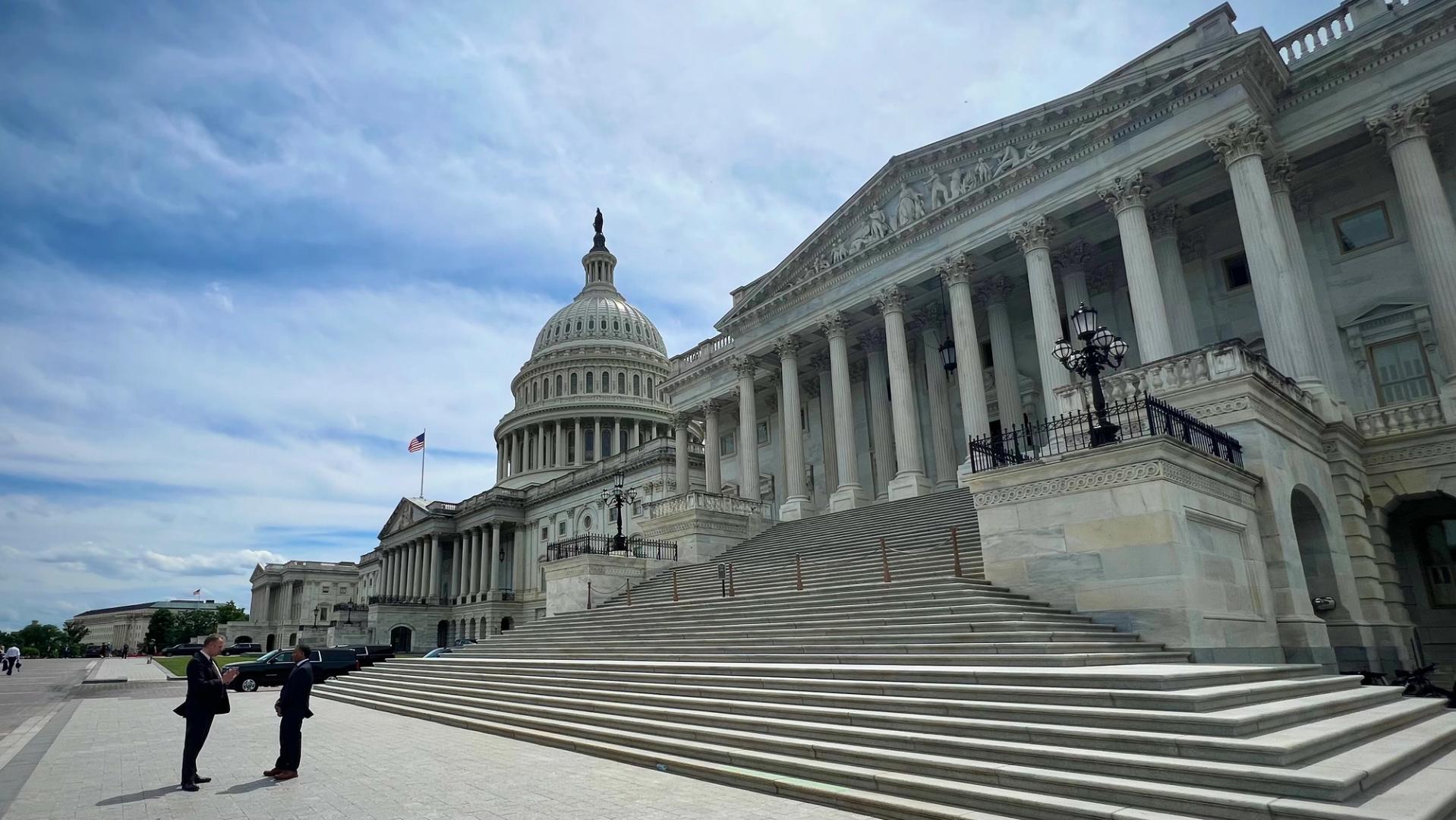
The Senate's summer recess looms in one week, squeezing the legislative calendar for August and putting the Clarity Act's future in limbo. The bill, which seeks to establish clearer regulatory frameworks for digital assets, faces mounting time pressure as lawmakers pivot toward campaign season and other pressing agenda items.
Clarity represents one of the crypto industry's most anticipated regulatory efforts. The legislation aims to delineate which federal agencies hold jurisdiction over different asset classes and activities, a distinction that currently lacks statutory clarity. Without passage before the recess, momentum slips and sponsors must restart efforts in the next Congress, pushing any definitive ruleset further into 2025 or beyond.
The timing matters significantly for market participants. Exchanges, custody providers, and decentralized finance platforms operate under regulatory uncertainty that costs billions in compliance resources and legal risk. Bitcoin and Ethereum have each absorbed this uncertainty into price dynamics, with regulatory clarity typically serving as a bull catalyst for institutional adoption. MicroStrategy, BlackRock, and other institutional holders signal appetite for assets once the regulatory environment stabilizes.
Competing priorities occupy Senate bandwidth. Inflation, fiscal policy, and election-year politics dominate floor time. Banking regulations and securities reform also demand attention, frequently overshadowing crypto-specific legislation. This dynamic repeats every cycle: crypto advocates pitch Clarity or similar frameworks, deadlines pass, and the industry remains tethered to enforcement-driven regulation rather than prescriptive law.
The lack of statutory guidance forces agencies like the SEC and CFTC to regulate via enforcement actions and guidance memos. This approach chills innovation, triggers litigation, and creates the very legal uncertainty Clarity attempts to remedy. Without Congressional action, the status quo persists indefinitely.
The one-week window represents a final opportunity this session. Industry groups and lobbying efforts have mobilized, but passage requires bipartisan alignment on asset classification and jurisdictional splits. The odds shorten considerably with each passing day.