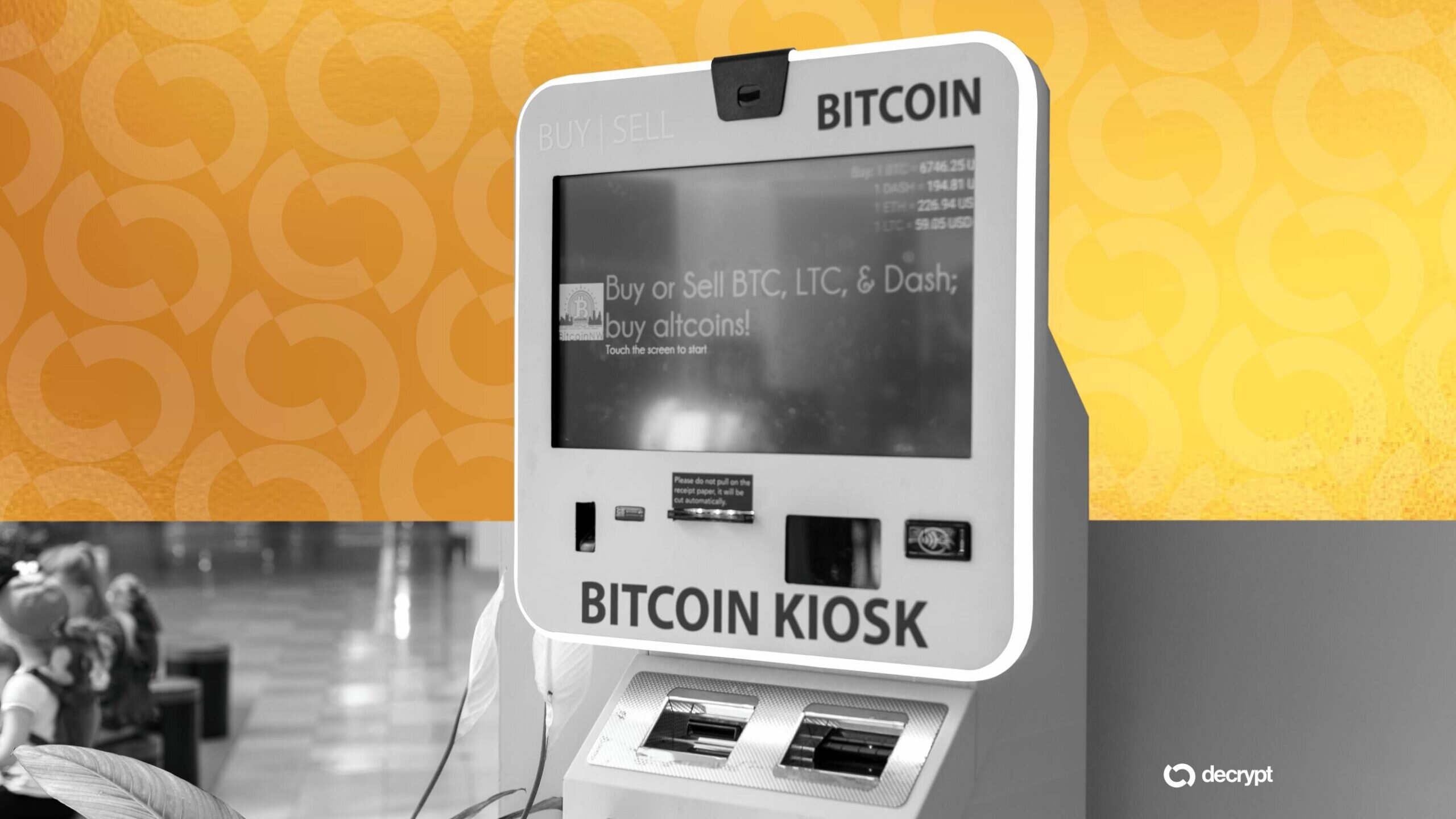
Texas lawmakers are moving toward banning cryptocurrency kiosks altogether after residents lost $57 million to scams involving these machines. The state's push follows regulatory action in three other states that have already outlawed Bitcoin ATMs entirely.
A committee chair stated Texas will adopt stricter measures than simple regulation, signaling an outright ban remains under serious consideration. The losses stem primarily from social engineering schemes where scammers direct victims to deposit cash into crypto kiosks, then transfer funds to attacker-controlled wallets. Law enforcement struggles to recover these assets once on the blockchain.
Bitcoin ATMs, operated by companies like Coinme and Bitcoin Depot, remain largely unregulated in most jurisdictions despite growing fraud complaints. These machines accept cash and dispense cryptocurrency directly, making them attractive targets for scammers exploiting elderly and vulnerable populations. The lack of identity verification requirements and transaction monitoring compounds the problem.
The $57 million figure from Texas alone represents a substantial portion of total crypto ATM fraud complaints nationally. Consumer protection agencies report that victims often cannot retrieve funds once blockchain transactions settle, creating permanent losses with limited recourse.
Three states have already implemented bans: California moved to regulate ATMs more strictly after fraud concerns, while other jurisdictions took harder lines. Texas lawmakers view an outright prohibition as the most effective consumer protection measure rather than attempting regulation.
The broader debate centers on whether crypto infrastructure can be adequately supervised within existing frameworks or whether certain products pose inherent consumer risks. Crypto industry advocates argue that education and proper regulation suffice, while consumer protection officials contend scammers exploit the irreversibility of blockchain transactions faster than regulators can intervene.
Texas action carries weight given the state's size and crypto adoption rate. A Texas ban would remove a significant cash-to-crypto onramp, potentially impacting both legitimate users and fraud networks operating within the state. The decision will likely influence policy in other states grappling with similar fraud patterns tied to cryptocurrency kiosks.