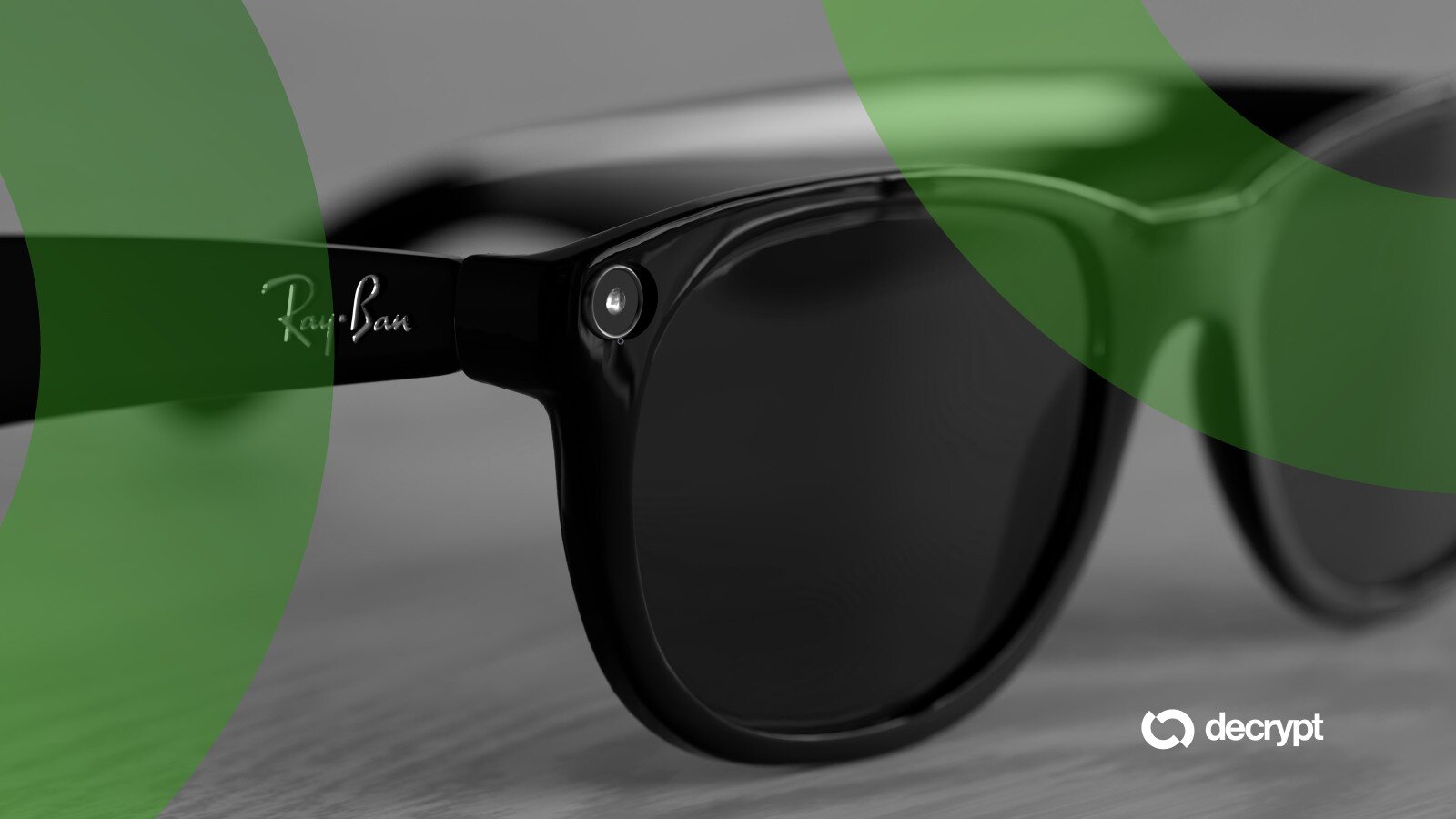
Meta's Ray-Ban smart glasses face mounting legal and regulatory pressure over privacy and recording capabilities. The devices, which integrate AI and camera technology, have triggered multiple lawsuits and government investigations into potential secret recording functions.
Privacy advocates and users have filed complaints alleging the glasses enable covert video capture without clear consent from those being recorded. The cameras embedded in the frames can record audio and video while appearing innocuous to bystanders, raising concerns about surveillance without knowledge or permission.
Several jurisdictions have launched formal investigations into Meta's practices. Regulators focus on whether the company adequately disclosed recording capabilities and whether users understand the privacy implications of wearing device-equipped glasses in public spaces.
Lawsuits allege that individuals wore the glasses to record others without consent, creating potential violations of two-party consent recording laws in states like California. Meta has not implemented obvious indicators that recording is happening, unlike some competitor devices that include visible lights.
The reputational damage has been substantial. The devices drew mockery online, with critics dubbing them "pervert glasses" for their surveillance potential. Meta has marketed the glasses as consumer electronics blending fashion and technology, but the privacy issues have overshadowed marketing efforts.
Meta maintains that users bear responsibility for complying with local recording laws. The company notes that disclosure of recording capabilities appears in product documentation and terms of service, though this legal framing offers limited protection if users deliberately circumvent consent requirements.
The controversy highlights a broader tension in consumer tech: as devices become smaller and more integrated into daily wear, distinguishing between legitimate recording and covert surveillance becomes increasingly difficult. Regulators struggle to set appropriate guardrails for technology that can gather sensitive data while remaining visually indistinguishable from regular eyeglasses.
Meta faces potential restrictions on distribution or mandatory hardware modifications like visible recording indicators. The ongoing investigations could set precedent for how regulators treat wearable recording technology moving forward.